Transcend Bicycles
What started as just my senior design project, has quickly taken over most of the year and I'm very proud of what we have made so far. Working with the Transcend team has been a great oportunity and I've learned alot along the way in both teamwork and design.
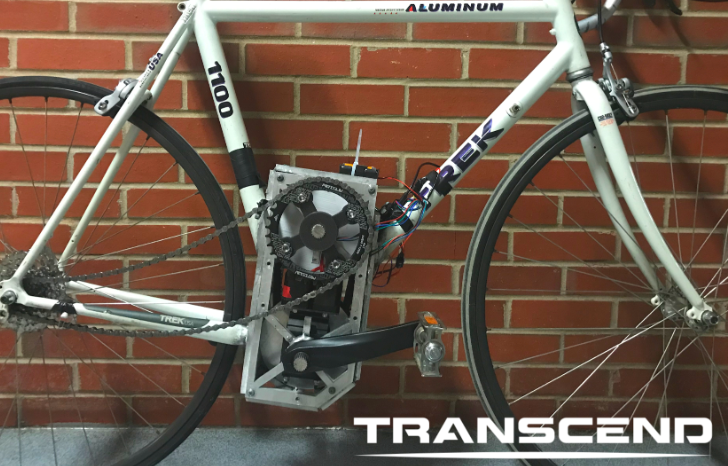
Our goal was to develop a bicycle transmission that would automatically seamlessly shift gears. This application on a bicycle could lead to many benefits from training to commuting.
Initial Prototype: We began with an alpha prototype featuring a belt-based transmission. However, this prototype was heavy and lacked the capability for simultaneous shifting and pedaling.
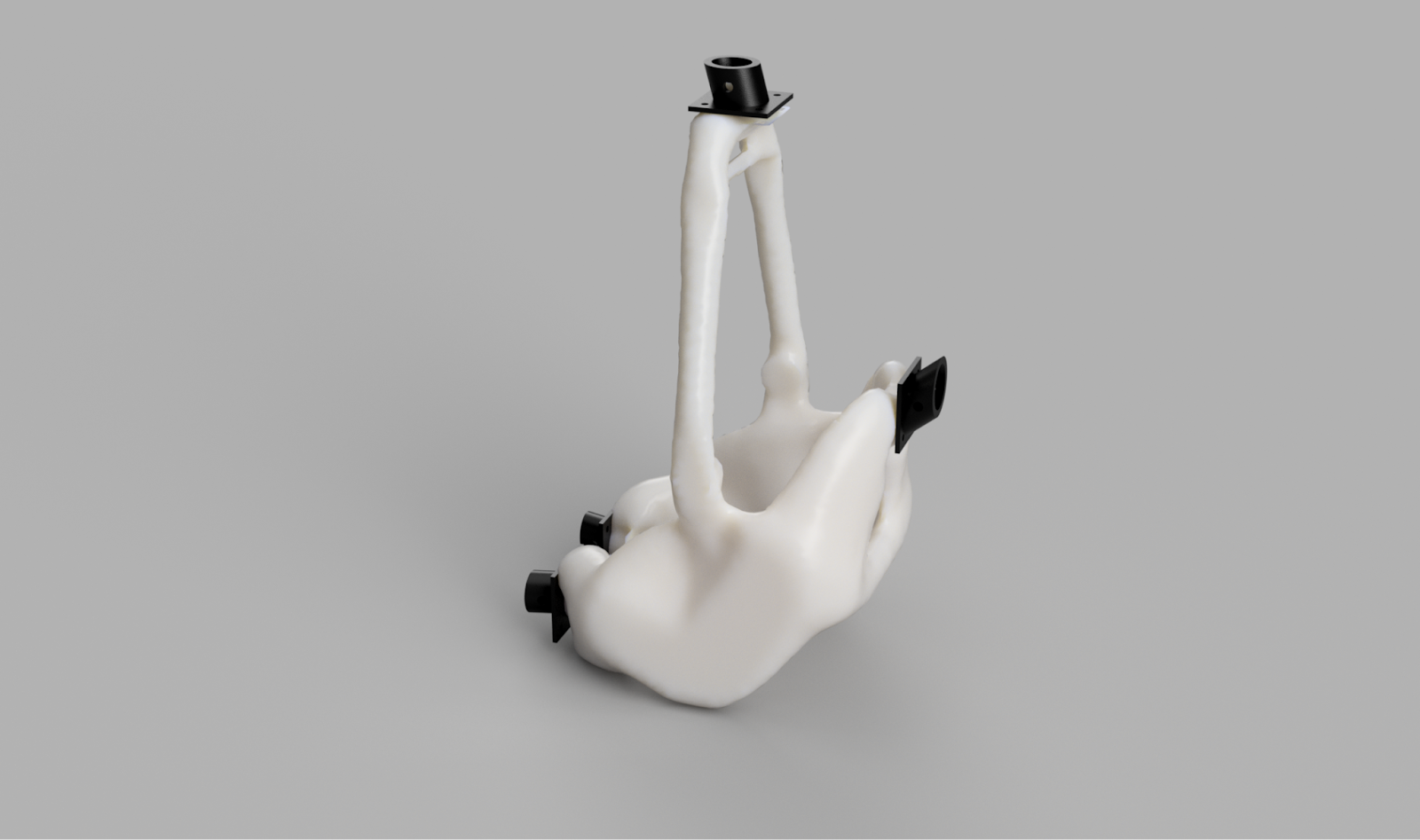
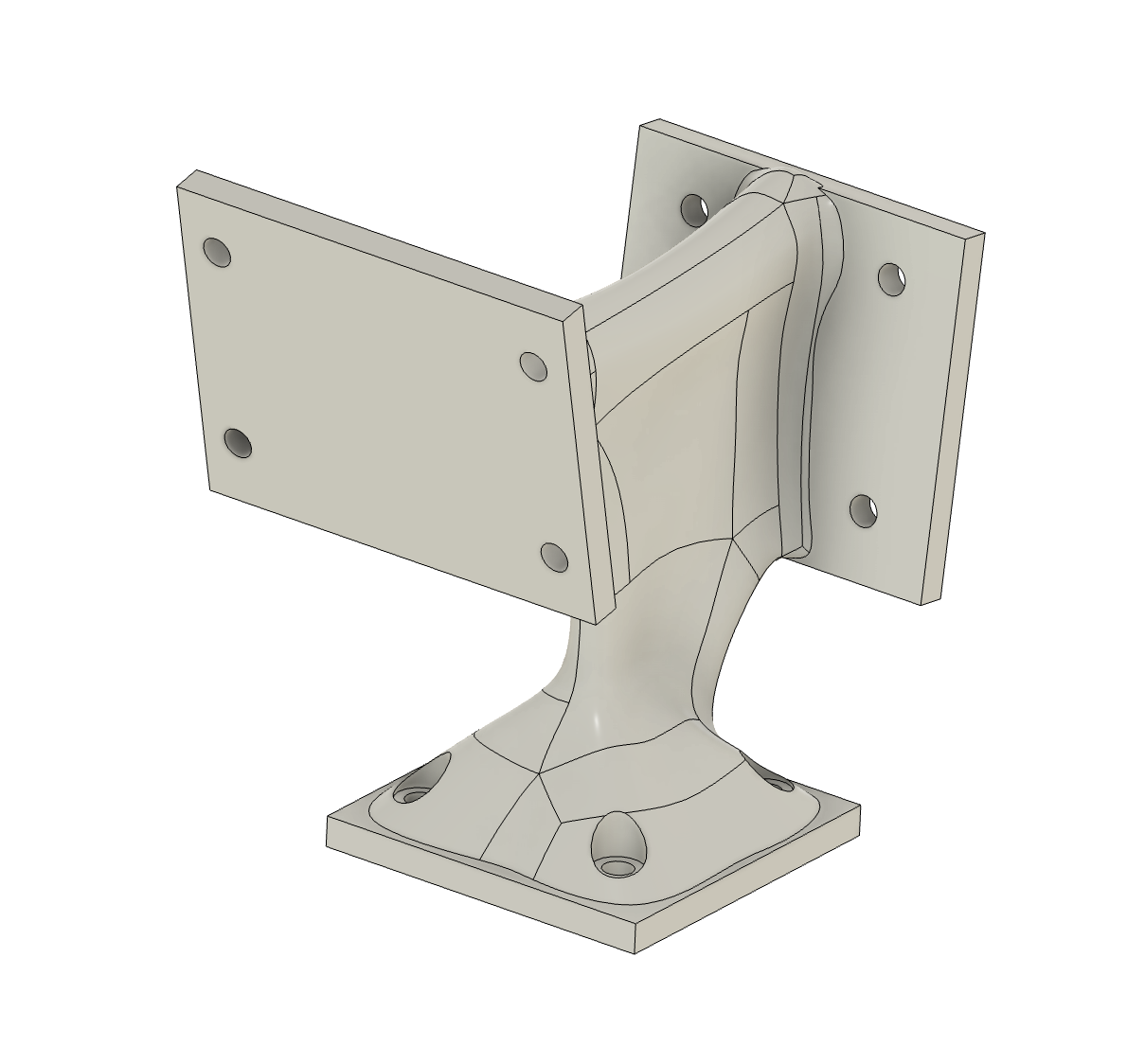
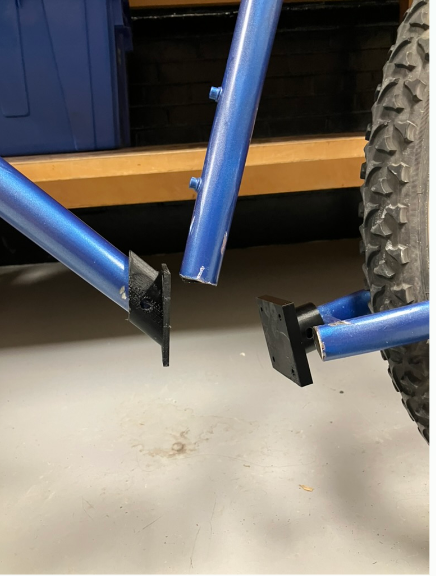
Design Focus: My primary focus was to redesign the bicycle frame to accommodate the CVT transmission while ensuring structural integrity and performance enhancement.
Results: The printed housing saw a slight weight reduction with a verified factor of safety of 10, while reducing the cost of the housing to a fourth of the original.
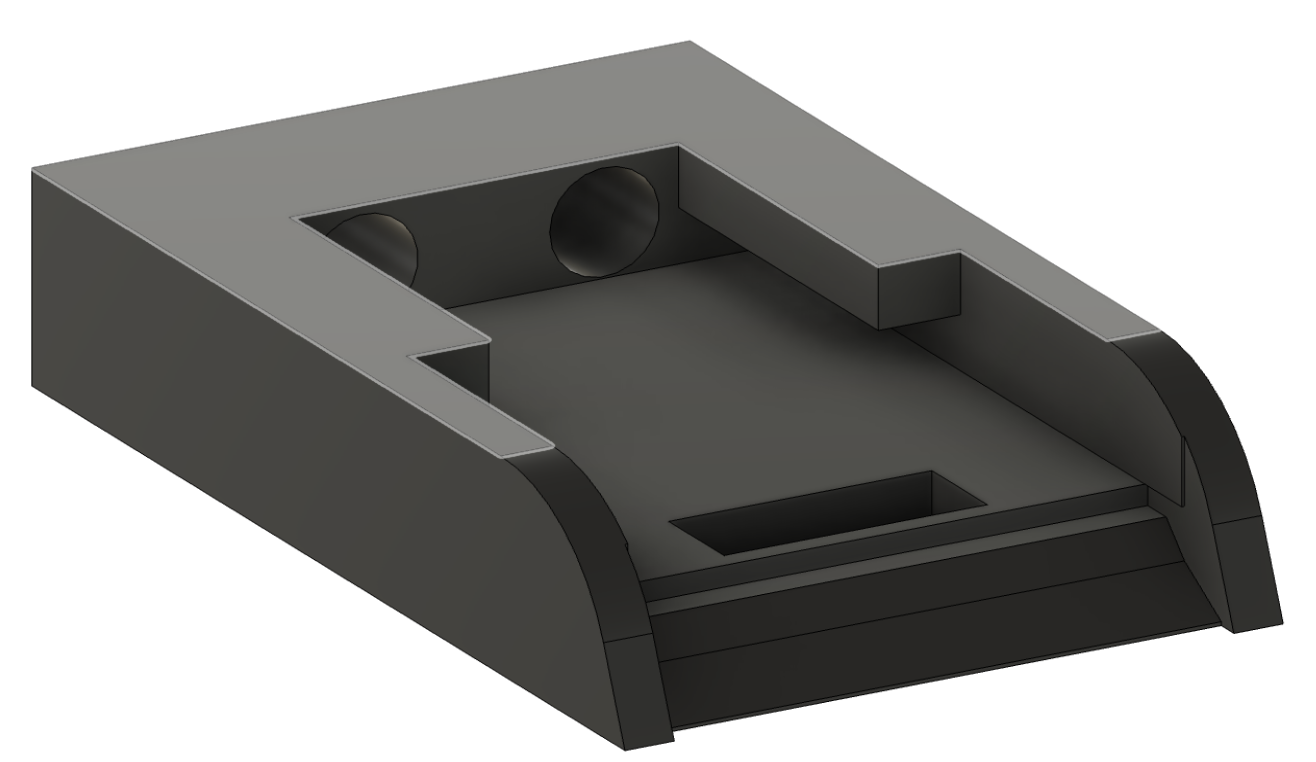
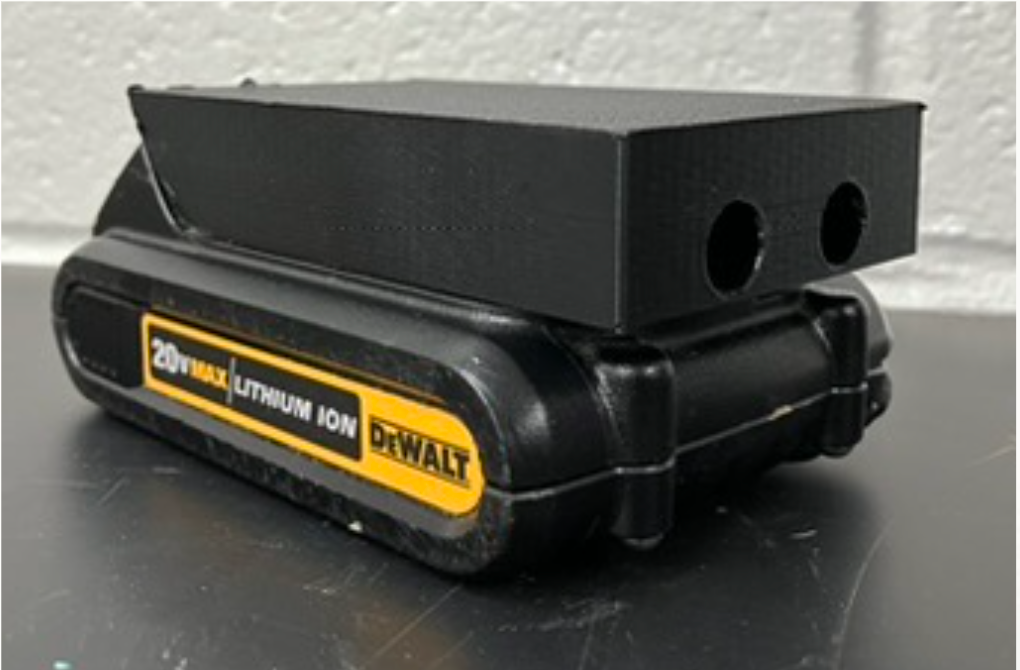
As part of the Transcend Bicycle project, our initial prototype utilized two 9V batteries in series, providing only 20 minutes of shift time. For the beta prototype, we opted for an interchangeable 20V battery system. I designed a mount for the battery, intending to integrate it seamlessly into the structure design for longer run times.
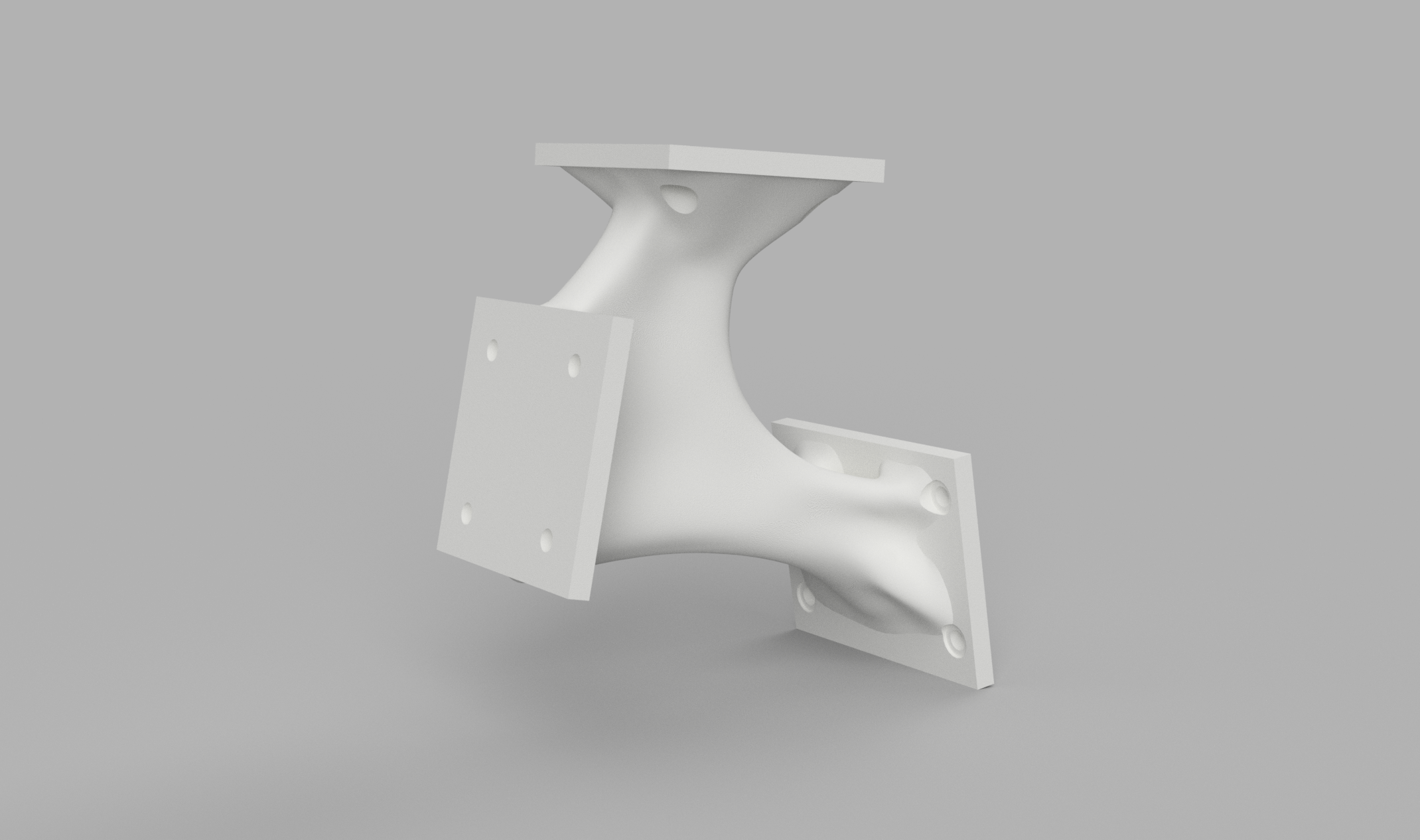
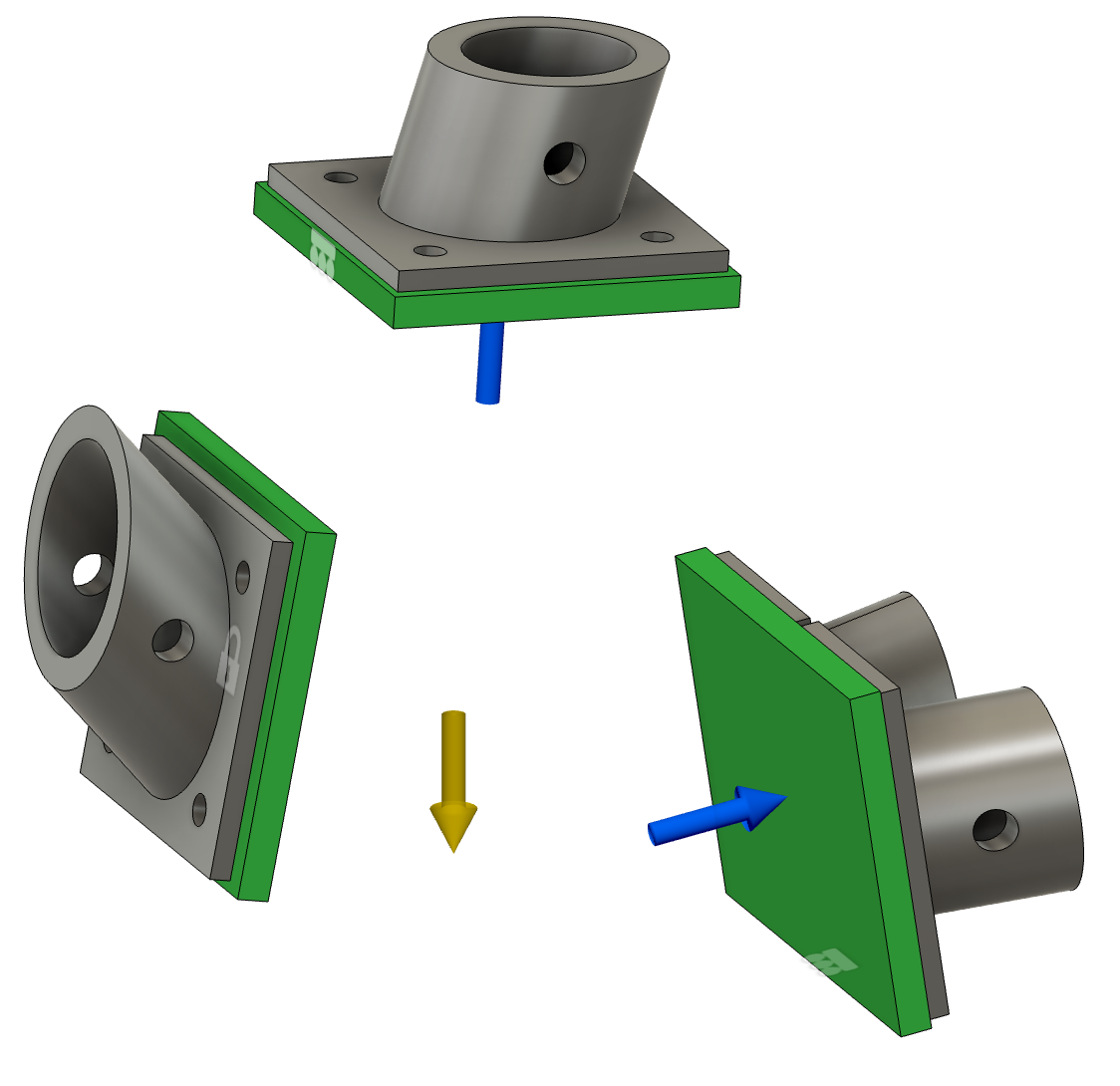
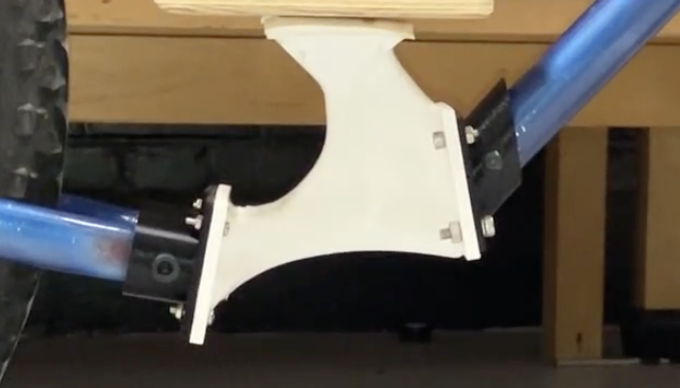
Before we printed our entire housing structure, which would be a 30 day, $40 print, I decided to make a smaller intital connection to test the drop outs I designed to test the dropouts and the generative design model I built.
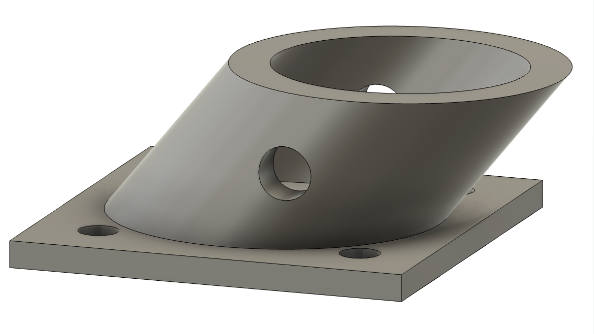
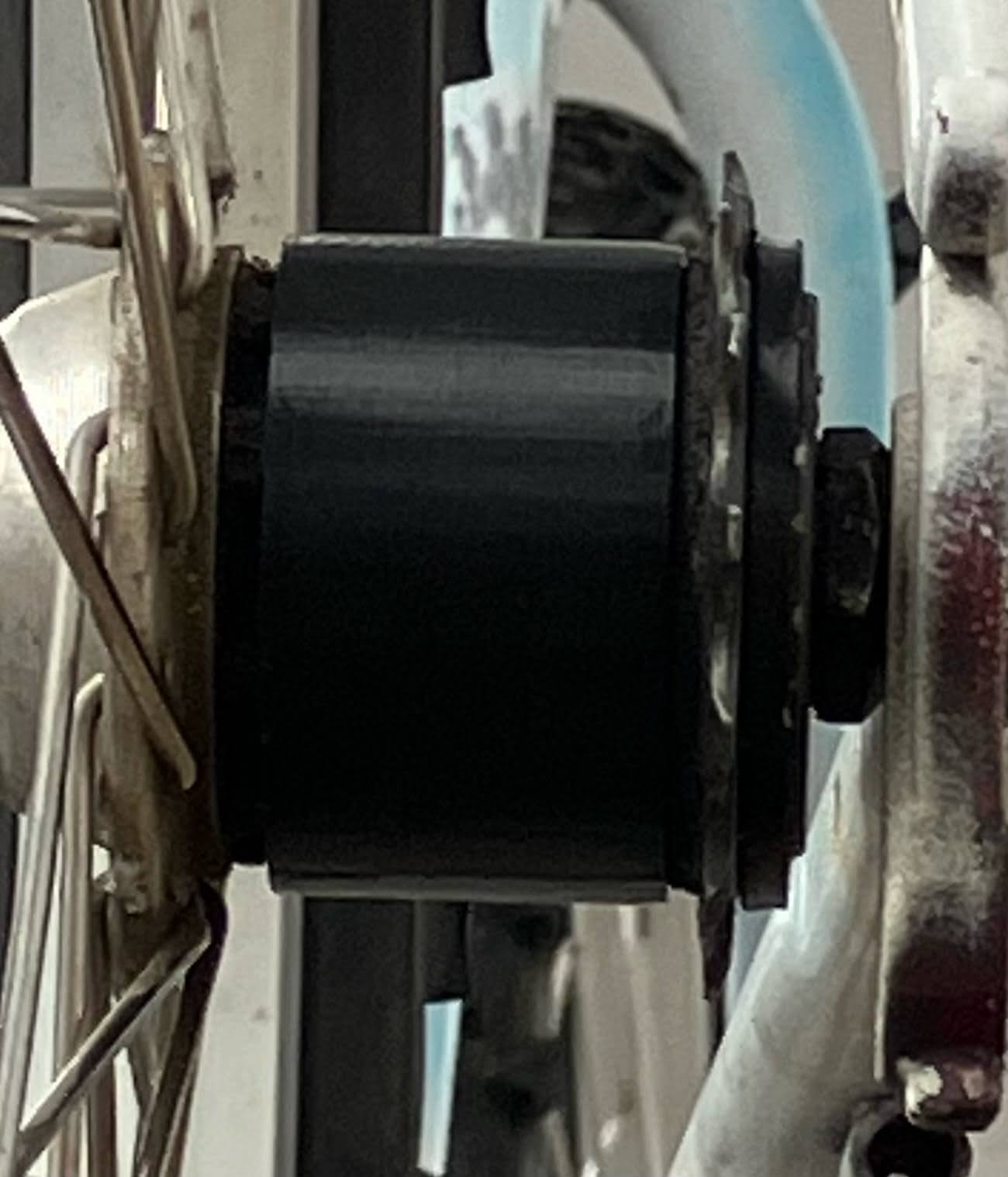
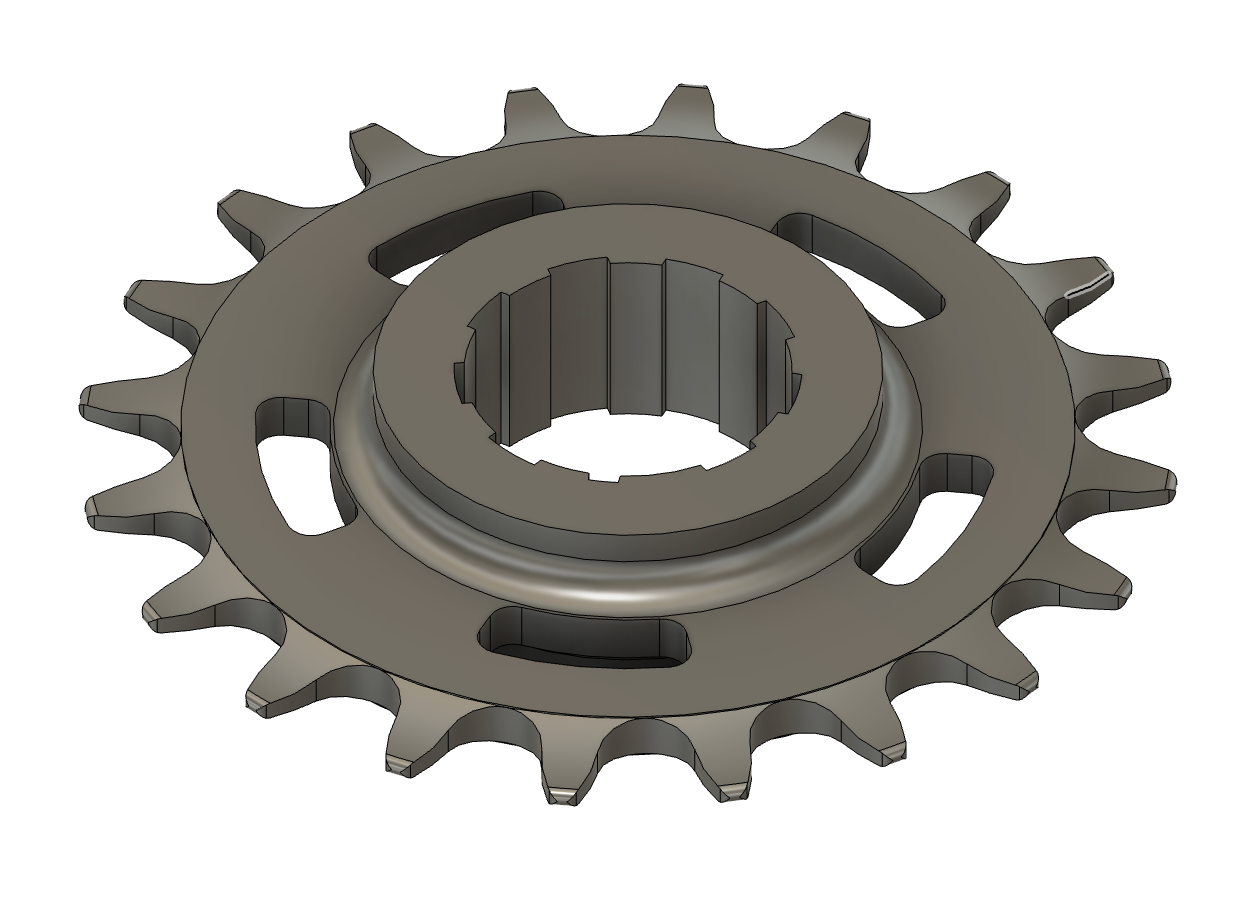
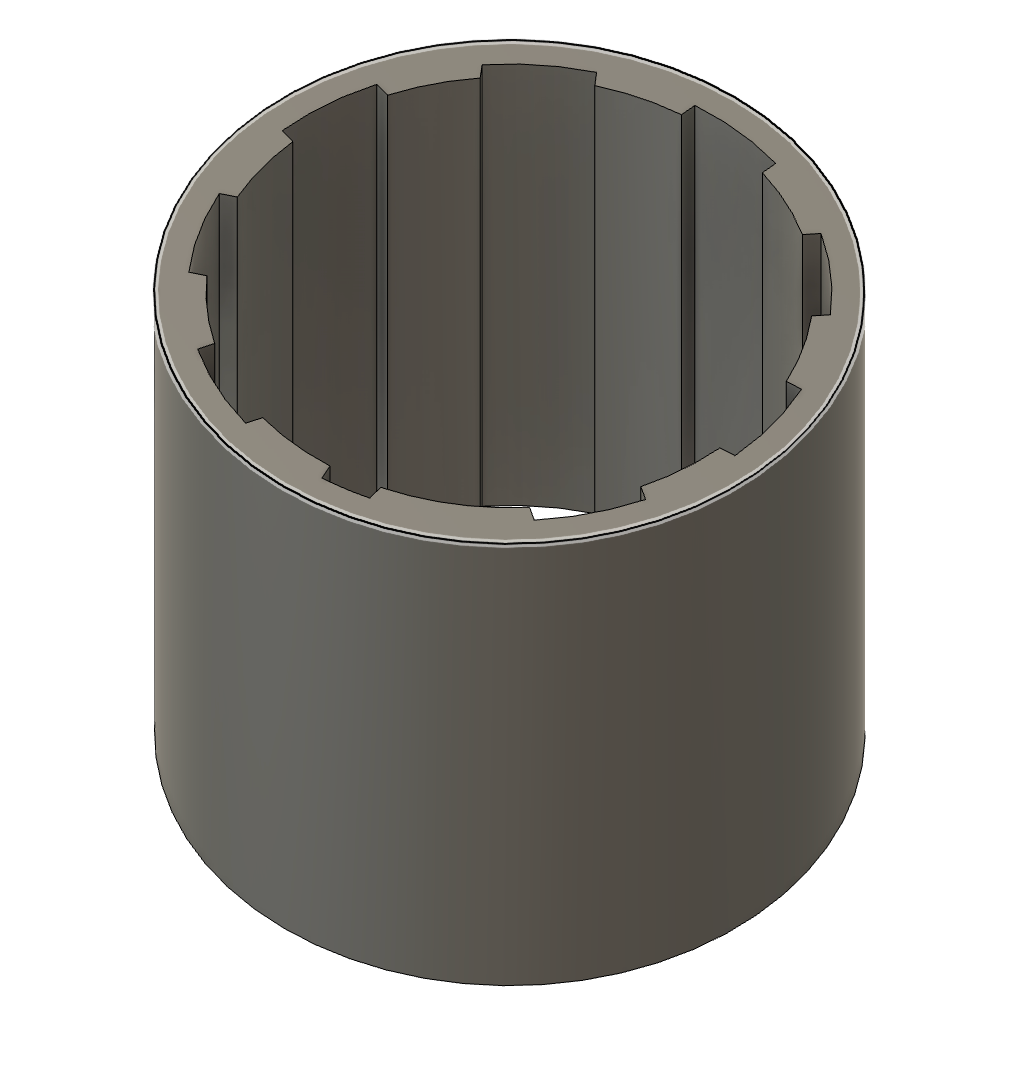
Additional Design Contributions: While the primary focus of the project centered on developing a functional transmission, large adaptations to the original bicycle were also needed for the transmission to function. I designed these supplementary components to assist its integration into the bicycle frame. For this I designed this bicycle cog, which was adaptable to non-standard sizes, and a Shimano-specific adjustable spacer, which helped achieve the most efficient chain angle.
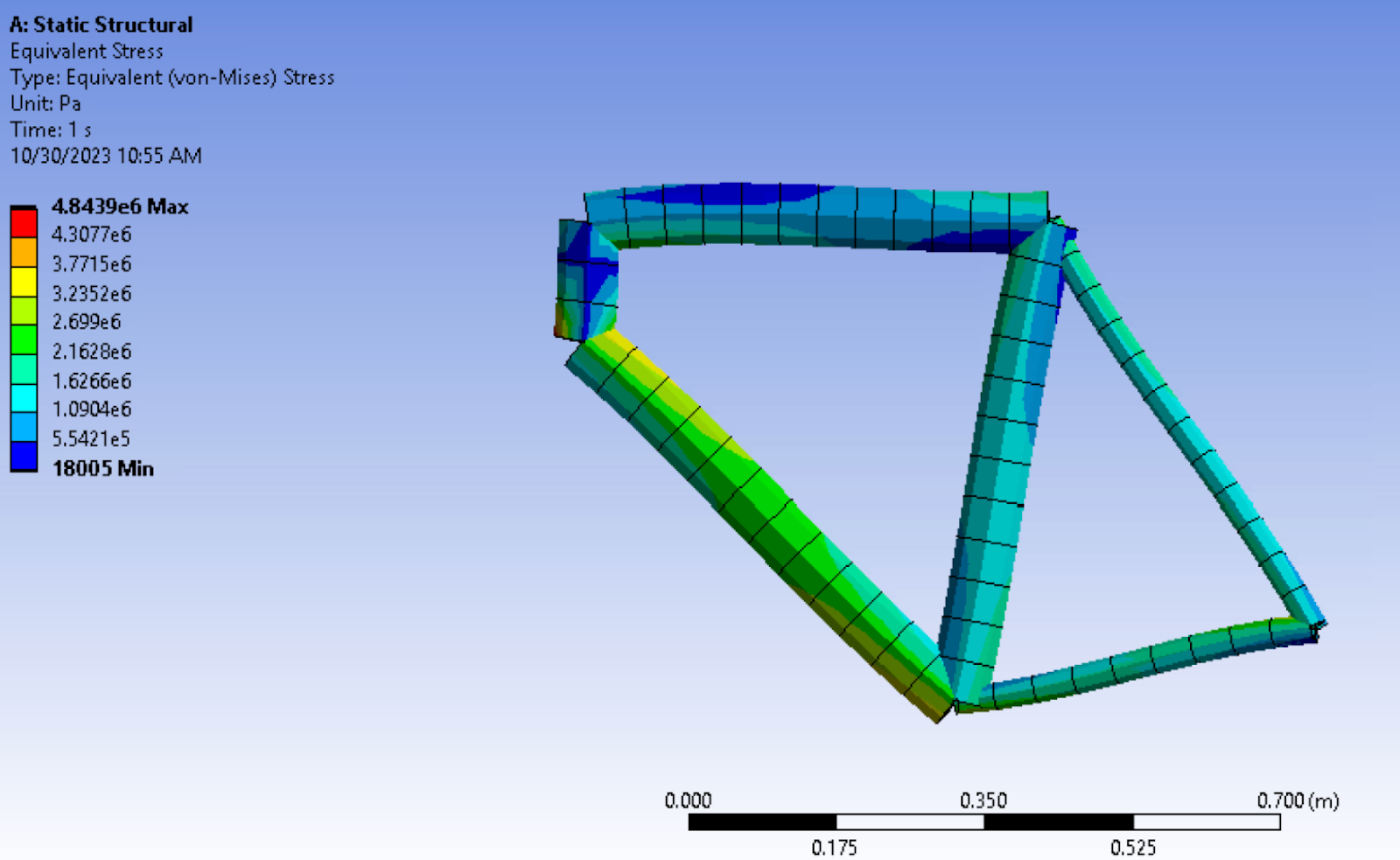
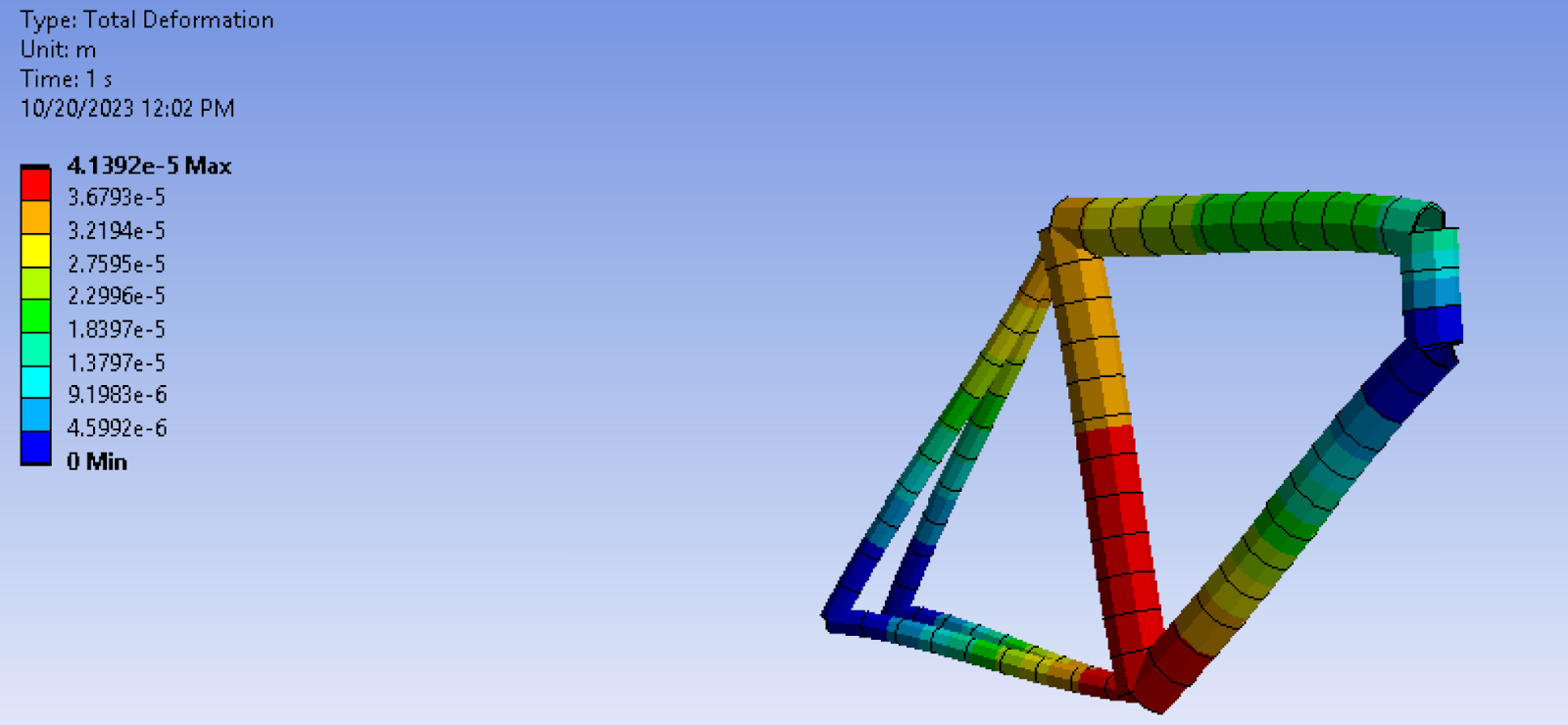
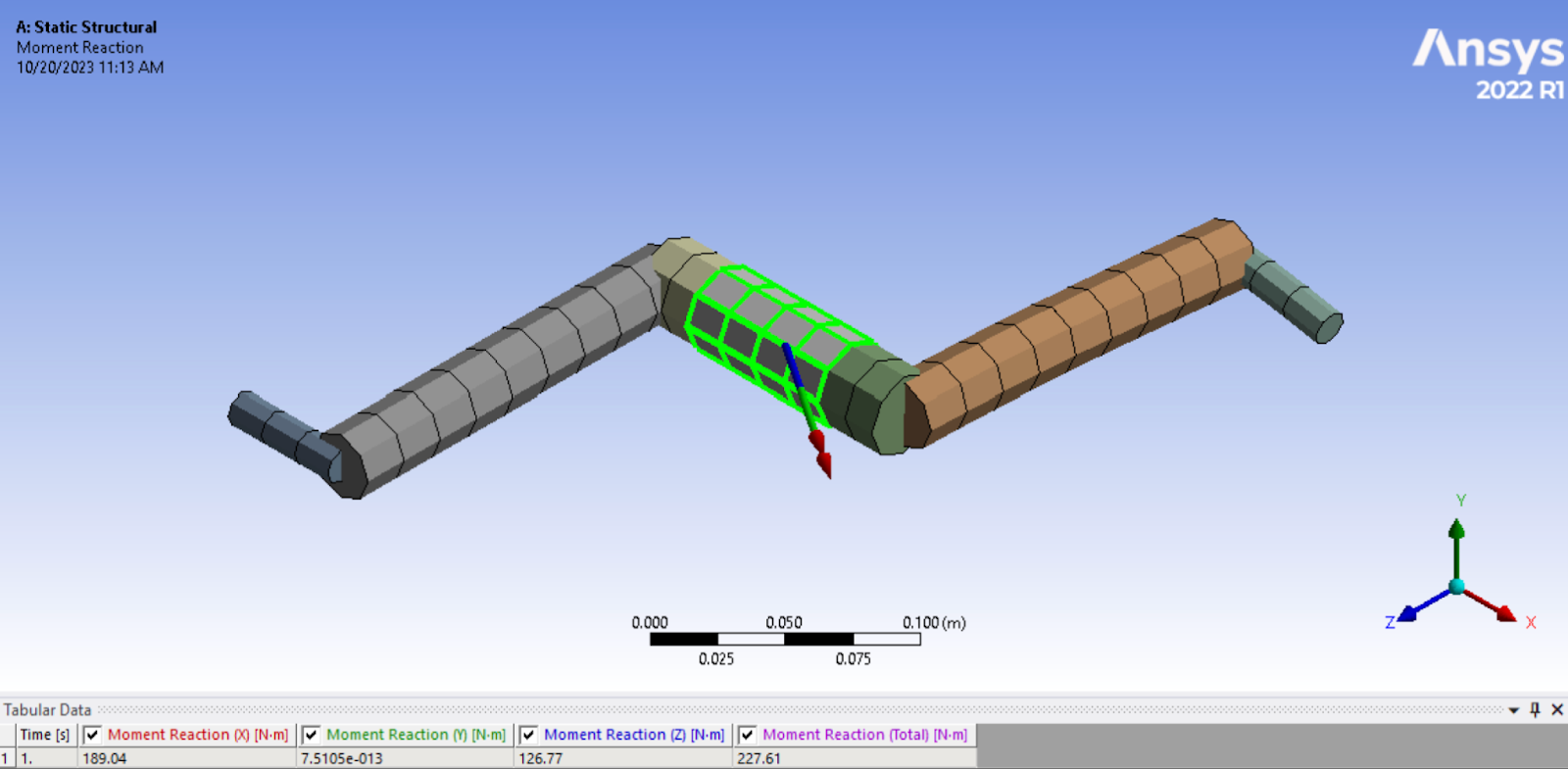
Utilization of Generative Design Model: To ensure the structural integrity of our design, I conducted thorough analyses of a stock bicycle frame using ANSYS. This included assessing the frame's maximum deflection under various loading conditions and determining the maximum torque exerted on the bottom bracket by the rider. Utilizing this data, I established precise safety parameters for the Beta prototype housing. By integrating these findings into the boundary conditions of the generative design model, I was able to accurately simulate and optimize the housing's structural performance, ensuring its durability and safety under real-world usage scenarios.